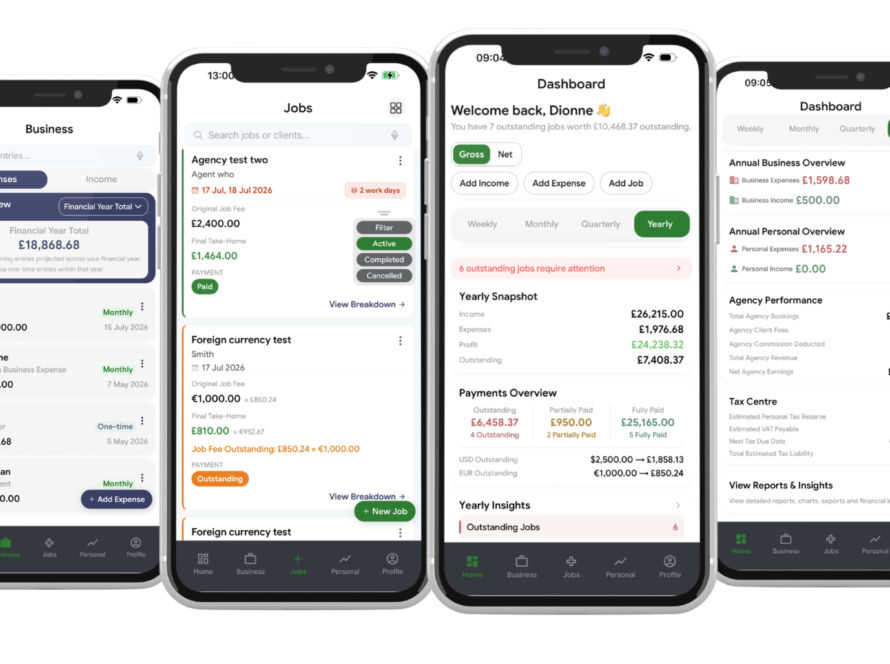
The Ultimate Freelancer Money Checklist: 12 Habits That Will Save You Thousands
Running a freelance business is exciting, but managing your money can often feel overwhelming. Between juggling clients, tracking expenses, chasing invoices and preparing for tax season, it’s easy for important financial tasks to slip through the cracks.
The truth is that financial success isn’t just about earning more. It’s about building habits that help you stay organised, protect your income and make confident business decisions.
Whether you’re a hairstylist, photographer, designer, consultant, makeup artist, tradesperson or creative entrepreneur, these twelve habits can help you build a stronger, more profitable freelance business.
1. Track Every Job from Quote to Payment
One of the biggest mistakes freelancers make is relying on memory.
A project starts with a quick phone call, then becomes an email, then an invoice, and before you know it you’ve forgotten whether you’ve actually been paid.
Every client and every project should have a clear record from the initial quote through to the final payment.
Having everything in one place means you always know:
- What work is booked
- What’s been completed
- Which invoices remain unpaid
- What income is still expected
When your workload grows, this becomes invaluable.
2. Record Expenses as They Happen
We’ve all done it.
Receipts end up in coat pockets, glove boxes, handbags or scattered across your desk until tax season arrives.
Instead, make it a habit to record expenses immediately.
Small purchases add up quickly:
- Parking
- Fuel
- Train tickets
- Coffee with clients
- Equipment
- Software subscriptions
- Phone bills
- Office supplies
Recording expenses throughout the year gives you a much clearer picture of your actual business costs and helps ensure nothing gets forgotten.
3. Separate Business and Personal Finances
Using one bank account for everything might feel convenient at first, but it quickly becomes confusing.
Mixing personal spending with business transactions makes it much harder to:
- Understand profitability
- Prepare tax returns
- Monitor cash flow
- Spot unnecessary spending
Keeping business finances separate creates clarity and saves countless hours when reviewing your accounts.
4. Invoice Promptly
Many freelancers delay sending invoices because they’re busy moving on to the next job.
Unfortunately, every day you delay sending an invoice often delays getting paid.
Make invoicing part of your workflow.
Complete the job.
Send the invoice.
Move on.
Simple habits like this dramatically improve cash flow over time.
5. Follow Up Outstanding Payments
Late payments are one of the biggest challenges facing freelancers.
Most overdue invoices aren’t caused by clients refusing to pay—they’re simply forgotten.
Following up professionally and consistently helps keep payments moving without damaging relationships.
Don’t be afraid to remind clients.
You’ve completed the work.
You deserve to be paid.
6. Save for Tax Throughout the Year
Tax shouldn’t come as a surprise.
Rather than waiting until the deadline, put aside a percentage of every payment you receive.
Many freelancers choose to transfer money into a separate savings account each time they’re paid.
This simple habit removes much of the stress when tax deadlines arrive.
7. Build an Emergency Fund
Freelancing naturally comes with highs and lows.
Some months you’ll be fully booked.
Others may be quieter than expected.
Having an emergency fund helps protect your business when:
- Clients delay payments
- Equipment breaks
- Unexpected expenses arise
- Work slows down temporarily
Even setting aside a small amount each month can provide valuable peace of mind.
8. Know Your Real Hourly Rate
Many freelancers set prices based on what competitors charge rather than understanding what they actually earn.
Your income isn’t simply your invoice value.
You also need to consider:
- Business expenses
- Travel time
- Administration
- Equipment costs
- Software subscriptions
- Insurance
- Tax
Knowing your true hourly rate helps you price your services confidently and sustainably.
9. Review Your Finances Every Month
Don’t wait until the end of the year to understand how your business is performing.
Set aside just 30 minutes each month to review:
- Income received
- Outstanding invoices
- Expenses
- Profit
- Upcoming work
- Cash flow
Regular reviews help you spot problems early and make better financial decisions.
10. Keep Every Receipt and Important Document
Good record-keeping isn’t just useful at tax time.
It protects your business.
Store invoices, receipts, contracts and important documents safely throughout the year.
Digital copies are often much easier to organise than piles of paperwork.
A little organisation today can save hours later.
11. Plan for Quieter Months
Freelance income isn’t always predictable.
Many industries experience seasonal highs and lows.
Planning ahead allows you to:
- Build financial reserves
- Schedule marketing activity
- Launch new services
- Invest in professional development
Preparing during busy periods makes quieter months far less stressful.
12. Use the Right Tools to Save Time
The more your business grows, the harder it becomes to manage everything manually.
Spreadsheets can work for a while, but they often become complicated as more clients, invoices, expenses and projects are added.
Using tools specifically designed for freelancers allows you to spend less time on administration and more time doing the work you love.
After all, your time is one of your most valuable assets.
Small Habits. Big Results.
Building a successful freelance business isn’t about being perfect.
It’s about creating consistent habits that give you greater visibility, confidence and control over your finances.
Start with one or two of these habits today, then gradually build the rest into your routine. Over time, they’ll help you reduce stress, improve cash flow and make smarter business decisions.
How Keep Track Can Help
Keep Track was built specifically for freelancers, self-employed professionals and small business owners who want a simpler way to manage their finances.
From tracking jobs and recording expenses to monitoring invoices, payments and business performance, Keep Track brings everything together in one intuitive workspace—helping you spend less time on admin and more time growing your business.